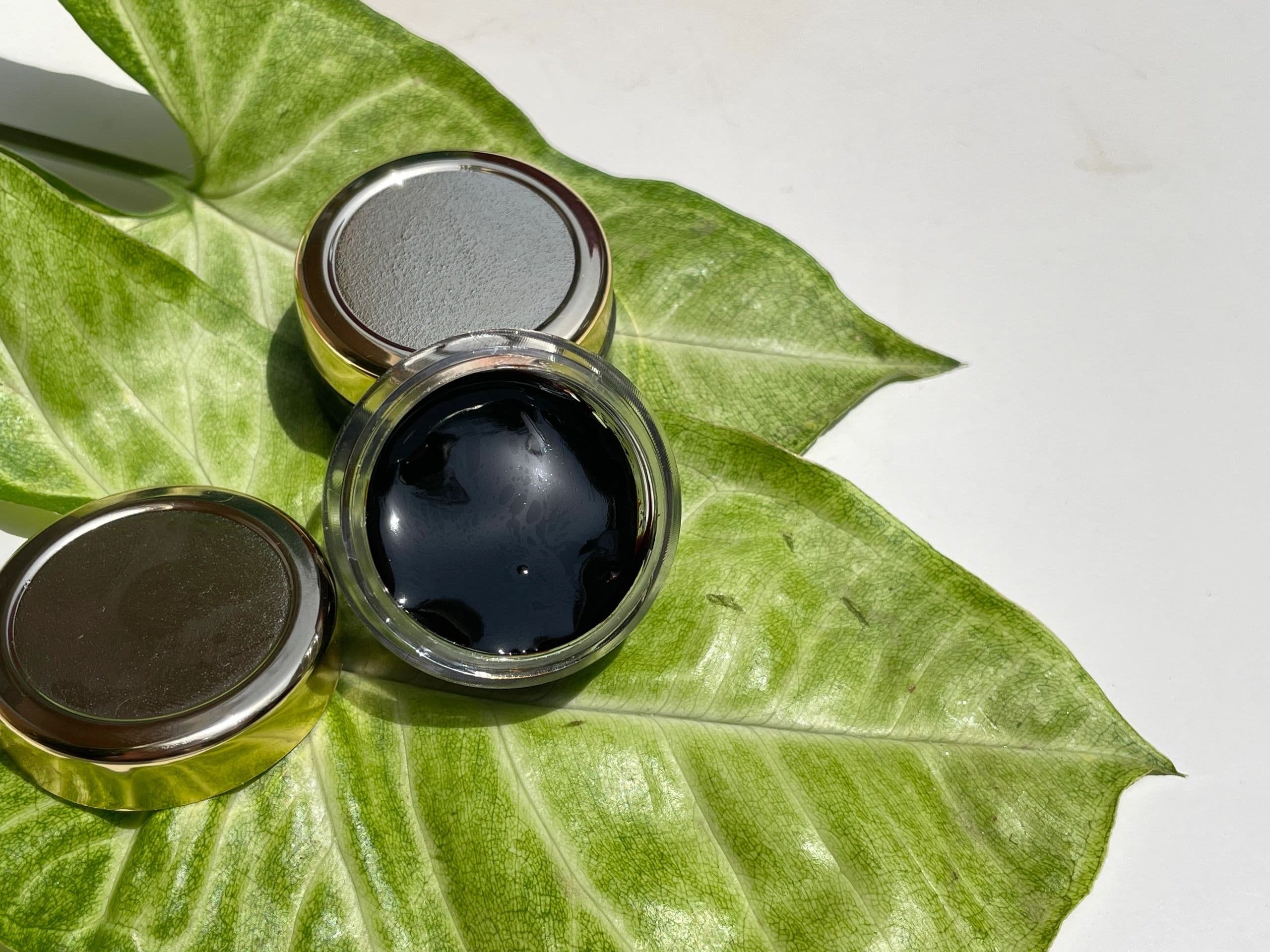
The heavy metals question — the honest version
The single most common concern I hear from buyers who are new to Shilajit is some version of this: doesn't it come from rocks, and don't rocks have heavy metals in them?
The honest answer is yes to both. And the further honest answer, which I want to give in this journal, is that what actually keeps a jar of Shilajit safe is not any single step. It is a chain of three.
What "heavy metals" actually means here
The four heavy metals that matter for food safety in Shilajit are lead, arsenic, mercury, and cadmium. All four occur naturally in the earth's crust. All four appear, in trace amounts, in essentially every food that grows from soil — rice, spinach, seafood, chocolate, tea. The question is never "are they present" but "at what concentration, and is it below the level regulators have determined to be safe."
For anything you eat regularly, food safety authorities set limits — parts per million, parts per billion — below which normal daily consumption is considered safe over a lifetime. Cross the limit, and the substance is unsafe. Stay below it, and the substance is fine.
Shilajit, being drawn out of rock, starts life with more mineral load than most foods. That is why the question of how it becomes safe to eat is worth taking seriously.
The chain that actually keeps a batch safe
Three steps. Each one does something different. Only all three together produce a jar that is actually safe.
Step one — source selection
This is the most important step, and the one no amount of processing can fix if it is skipped.
Shilajit picks up whatever metals are in the source rock. A source in high-altitude Ladakh, with the specific geology of the region we harvest from, is generally low in the four regulated metals. A source in some parts of the lower Pamirs, or in areas with a different underlying rock chemistry, is not. Two different Shilajit brands can follow the exact same purification process and end up with wildly different final metal levels — the difference is whether the raw material was clean to begin with.
Our harvest window and location are what they are partly for this reason. Some parts of the Shilajit-producing belt, we simply do not source from.
Step two — water purification
The eight-to-ten-round water process — dissolving, sedimenting, filtering, redissolving — does two things.
It removes visible and coarse contaminants. Rock fragments, sand, mineral crust, plant matter, organic debris. These sink or float during dissolving and get physically separated out.
It also removes some fraction of the heavy metals — the ones present as insoluble mineral compounds. Metal oxides, silicates and sulphides sink with the sediment during the water rounds.
But I want to be honest about what it does not do.
Fulvic acid — the active molecule inside Shilajit — is a strong natural chelator. It binds heavy metals tightly, including the four regulated ones. Any metal already bound to fulvic acid in the raw resin dissolves with the fulvic acid in water, passes through the filter with it, and stays bound to it after drying. Water filtration, on its own, cannot remove those.
Which is why purification alone is not a safety guarantee. It gets a resin cleaner. Whether the final product is safe is a different question — one only a lab can answer.
Step three — third-party testing
This is the actual guarantee.
After the source has been chosen carefully, and the resin has been purified through the water rounds, a sample from every batch is sent to an accredited third-party laboratory — Eurofins, in our case. The lab measures the actual concentration of lead, arsenic, mercury and cadmium in the finished resin. It does not care about our story or our tradition. It cares about the numbers.
If every one of the four metals is below its regulatory ceiling for oral consumption, the batch is safe. If any one of them is above the ceiling, the batch does not get labelled and does not get shipped. It gets set aside.
The lab report is the only step that ends in a yes-or-no answer. It is why we do it on every batch — not just an occasional hero sample cited in marketing forever.
What you should ask any Shilajit brand
Two questions.
First, does the brand third-party test every batch for heavy metals? The metal profile of raw resin varies harvest to harvest. Testing one batch and pointing at that certificate for two years is not the same as testing continuously.
Second, will they show you the specific report for your specific jar? A brand with nothing to hide can produce the batch-specific certificate within a few minutes. A brand that offers you a generic marketing PDF, or goes vague, is telling you something without meaning to.
The bottom line
Heavy metals in Shilajit are a real concern for unpurified or under-tested product. They are a non-issue for a jar that came from a clean source, was purified properly, and passed a batch-specific third-party test.
The reason Ayurveda kept careful purification steps for three thousand years was not superstition. The physicians writing the classical texts had already figured out that the raw material had to be cleaned before it was worth taking. What they could not do, and what we now can, is send a sample to an independent lab and get back a certified number. That is the step modern testing adds to what tradition already gave us.
If you buy from any Shilajit brand — us or anyone else — insist on seeing a recent, third-party, batch-specific lab report before you spend the money. The good brands will send it. The rest will not, and that will be your answer.