
If you have ever taken a supplement and quietly worried about the dose — is this too much, will I mess something up long-term — this journal is for you.
It is a fair question. Most Ayurvedic substances get marketed with reassuring language and no actual numbers. That gap between "it is traditional, so it must be safe" and "here is what the data show" is what I want to spend a few minutes on.
The traditional dose
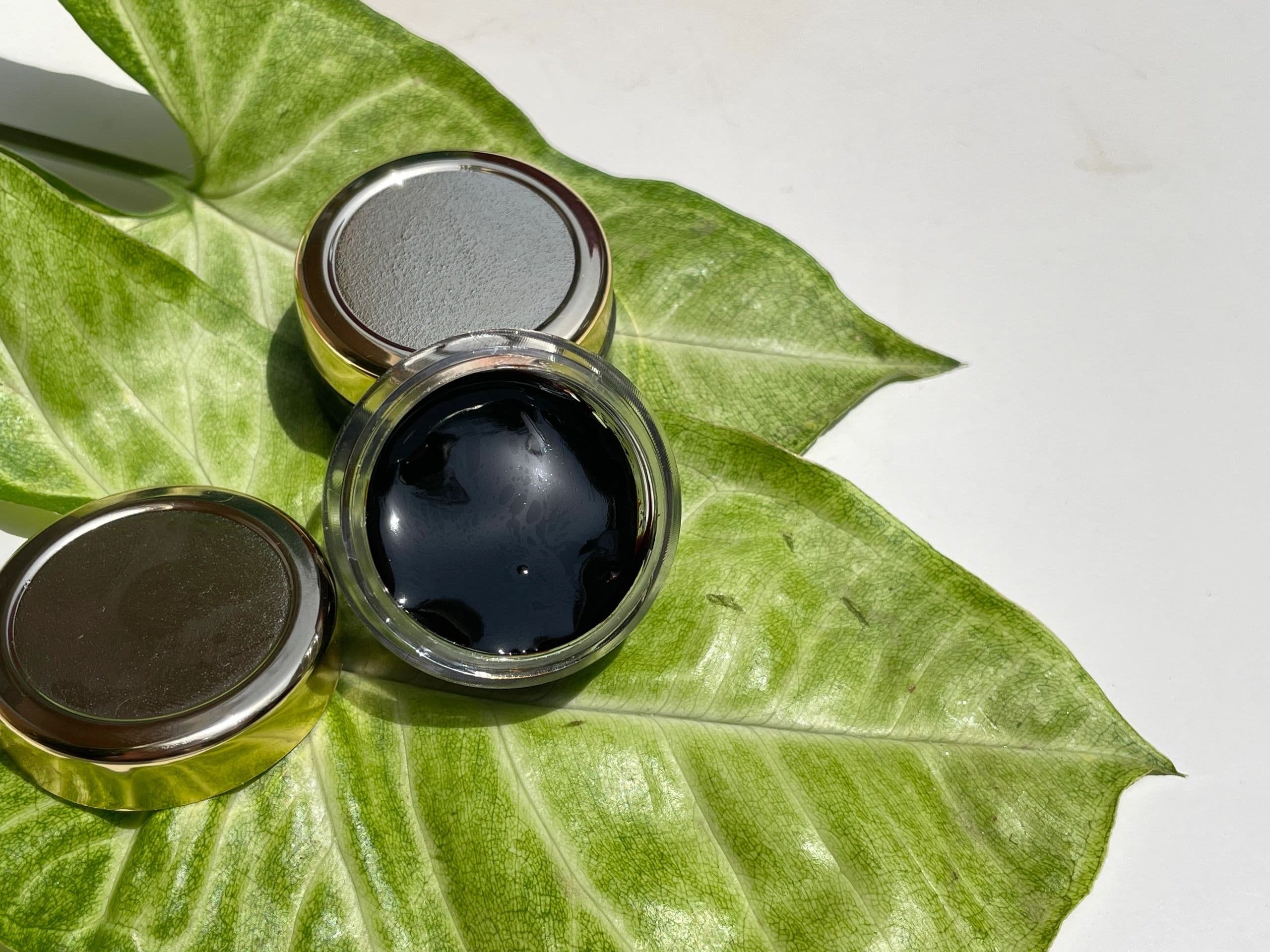
The Ayurvedic prescription for Shilajit is small. A pea-sized portion — roughly 250 to 300 milligrams of resin — dissolved in warm milk or water, once a day. That is the whole daily intake. It is the dose Charaka wrote about, it is the dose modern Ayurvedic practitioners still recommend, and it is the dose we suggest on our packaging.
For context, 300 milligrams is:
- •Less than a third of a gram
- •About the mass of a single grain of uncooked rice
- •Roughly one-tenth of a teaspoon
That is a small daily portion. Small compared to what, though?
What the safety literature shows
Multiple human tolerance studies have looked at what happens when people take much larger amounts of fulvic acid — the active fraction of Shilajit — over meaningful stretches of time.
A published safety review reports that adult humans tolerate fulvic acid preparations up to about 1.8 grams per day without adverse effects. That is 1,800 milligrams. Six times the daily portion Ayurveda recommends.
In one specific human clinical trial on HIV-positive individuals, researchers tested oral doses of 2, 4, 6, and 8 grams per person per day for two weeks. Even at 8 grams — nearly thirty times the daily portion on our label — the participants had no significant adverse effects, and safety blood markers stayed within normal ranges.
I want to be careful about what this doesn't mean. It doesn't mean anyone should be taking 8 grams of Shilajit a day. That trial was measuring the ceiling of tolerance for research purposes, not recommending a dose. What the finding does mean is that the small daily portion Ayurveda uses sits comfortably below any threshold at which anything worrying begins to happen.
What this means practically
If you take a pea-sized portion daily, you are taking less than 20 percent of the daily dose that fulvic acid safety trials have shown people tolerate without issue.
That is a large margin. It is the sort of margin you'd want in a substance intended for daily, months-long use.
What can still cause trouble
Being tolerated at high doses in a controlled trial is not the same as being fine in every situation. Two real caveats.
**Impure Shilajit.** The safety data above is on purified fulvic acid, not on random resin scraped off a rock. Contaminated Shilajit — carrying heavy metals, microbial load, or mineral impurities — is a different question entirely. This is why our resin, and any responsible brand's resin, is tested at a third-party lab before shipping. The tolerance data means very little if the substance in the jar is not clean.
**Individual sensitivity.** A small number of people, for reasons that are not fully understood, don't tolerate Shilajit well. Upset stomach, headache, a general sense of it not agreeing with them. This is different from a safety issue in the population — it is ordinary variability of one substance interacting with individual bodies. If you have that reaction, don't push through it. Stop and try something else.
What this all adds up to
At the traditional pea-sized daily portion, Shilajit sits within a broad safety margin that human research has already established. This is not marketing language — it is what the numbers actually show. It is a large part of why traditional systems felt comfortable prescribing it daily for months and years at a time.
There is a reason Ayurveda kept the dose small and consistent for three thousand years. The reason and what modern human trials have found agree with each other closely: at small daily amounts, this is a substance the body handles very well.
References
- •van Rensburg CEJ. The Antiinflammatory Properties of Humic Substances: A Mini Review. Phytotherapy Research, 2015.