
The trace mineral spectrum inside Shilajit — and why it matters
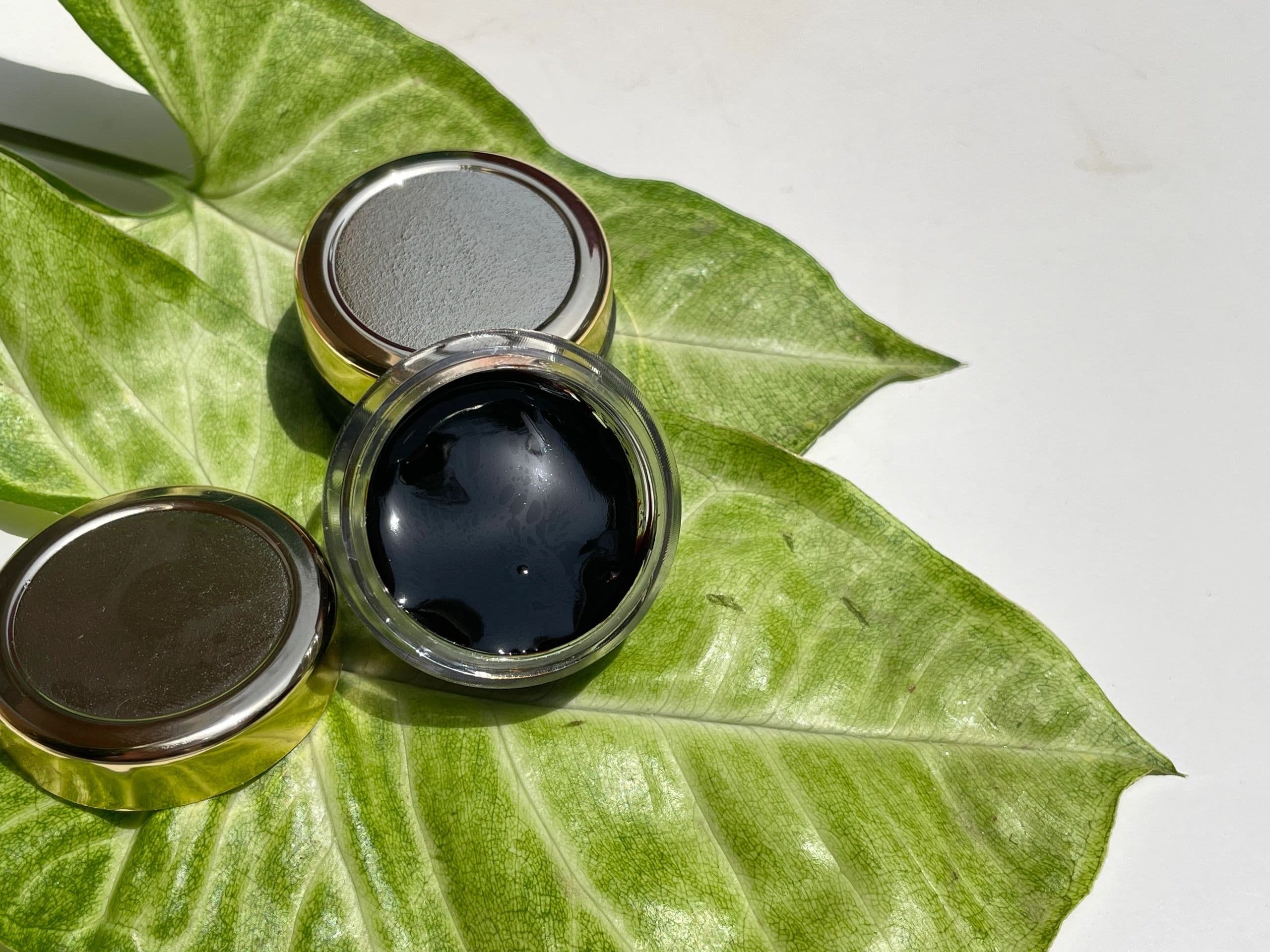
The modern Indian diet has a peculiar problem. Most middle-class households eat plenty. Nobody at my table is going hungry. But blood tests keep coming back showing deficiencies — iron in women, magnesium in stressed executives, zinc in vegetarians, B12 in everyone. The food is there. Something inside it isn't.
This gap — eating enough, absorbing too little of what actually matters — is a large part of why traditional systems like Ayurveda took mineral-rich substances so seriously. Shilajit was one of them. The reason is worth understanding.
What a "trace mineral" actually is
When most people think of minerals, they think about calcium and iron — the big ones, measured in hundreds of milligrams a day. Those matter, but they are only the beginning.
Trace minerals are a different category. Elements the body needs in tiny amounts — micrograms, sometimes less — but which run some of the most important chemistry in you. Zinc for immune function. Selenium for thyroid regulation and antioxidant enzymes. Copper for iron transport and connective tissue. Chromium for insulin sensitivity. Molybdenum for detoxification. Manganese for bone and joint metabolism. Boron for calcium regulation. Vanadium, cobalt, iodine, silicon and dozens of others, each present in cells and enzymes, each essential in ways most people can't name because the deficiencies are invisible unless you know what you are looking for.
Depleted soils, over-processed food, refined grains, boiled vegetables — the modern food chain quietly strips these micro-doses out of what ends up on your plate. Which is how you can be eating perfectly reasonable meals and still, over years, run a low-level deficit on things your body needs to work properly.
What Shilajit brings to the table
A pure Shilajit resin contains what tests describe as somewhere in the eighties for trace minerals and elements — our jar carries a certified count of around 84. That range is fairly stable across well-purified Ladakh resins because the source rock, and the geology beneath it, contains this same spectrum.
The count is a marketing headline. What is underneath it matters more.
The minerals in Shilajit come attached to fulvic acid, which acts as a natural chelator — it binds each mineral to itself in a form your body can easily transport into cells. Most mineral supplements you buy are isolated single elements (a zinc tablet, a magnesium capsule), sometimes bound to a synthetic ligand for absorption. Shilajit brings dozens of these together, all bound to a molecule that biology already recognises.
The practical difference is quiet but real. You are not swallowing zinc. You are swallowing zinc-bound-to-fulvic-acid, and iron-bound-to-fulvic-acid, and copper-bound-to-fulvic-acid, and eighty others, all at once, in the small amounts they were meant to arrive in.
Why it works differently from a multivitamin
Two things.
The first is the delivery form. A multivitamin gives you isolated elements, usually in synthetic bindings and often at doses much larger than the body needs at one time. Most of what you swallow is either excreted or has to be processed by the kidneys and liver as excess. Shilajit gives you the same minerals in smaller amounts and in a form the body already knows what to do with.
The second is the spectrum. A multivitamin covers the twenty or thirty minerals modern nutrition science has decided to measure. Shilajit brings the ones science hasn't found a lab test for yet — the trace elements that show up in old traditional preparations, and in the ash content of ancient organic matter, but for which we don't yet have a good story. Some of these may turn out to matter. Some may not. What is certain is that they are part of the natural mineral load a body has evolved to receive from food, and they are quietly missing from most modern diets.
What you might notice over time
Not a dramatic effect. Not a wake-up spike. What people describe on a rasayana rhythm — over weeks and months — is the kind of quiet baseline improvement that mineral repletion produces.
Fingernails that stop breaking. Hair that feels sturdier by the fourth month. The 4 pm slump that stops being a daily thing. Immunity that seems to catch fewer things. Small stuff, cumulatively meaningful.
If you have been eating a modern Indian diet for years and you are over thirty, you very likely have small trace-mineral gaps that a jar of Shilajit will slowly fill. You will not feel them get filled. You will notice, in retrospect, that some things quietly changed.
That is what the mineral spectrum inside a jar is doing, if the resin is real.