
The myth of the ₹8,000 Shilajit jar
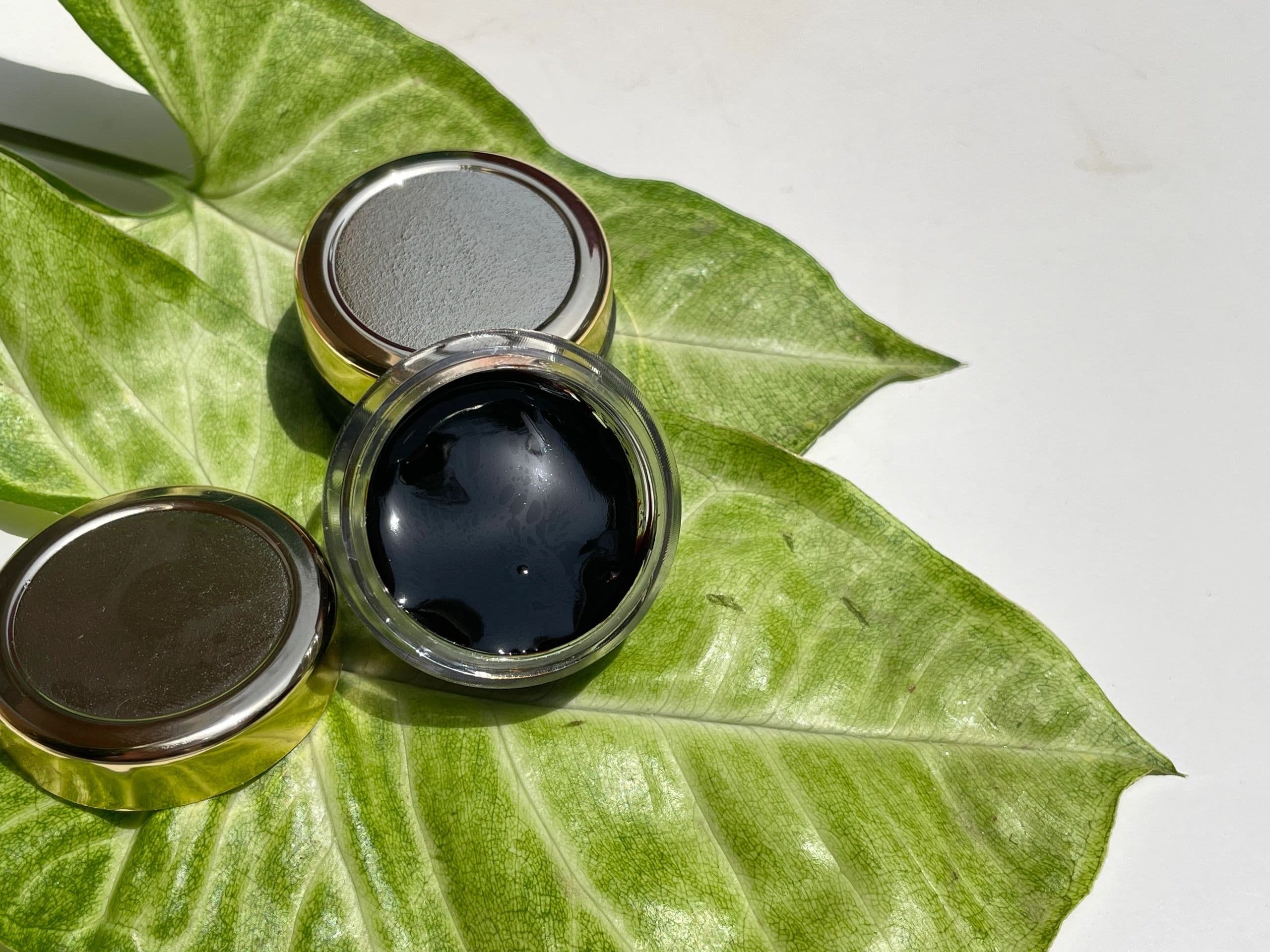
Walk into any Ayurveda counter in Delhi, or scroll a marketplace online, and the price of a 20-gram jar of Shilajit runs from ₹400 to ₹8,000. Same substance, allegedly. Twenty times the price at the top end. If you have stood in front of that shelf trying to decide, this journal is for you.
I run a Shilajit company, so this piece has an obvious conflict of interest baked into it. I am going to be as honest as I can anyway.
Because most of what makes one jar cost five times another has nothing to do with what is in the jar.
What is not making the resin better
Let's start with the parts of the price you are paying for that are not the resin.
**The jar itself.** Frosted glass, embossed metal caps, wooden lids — visual signals of premium-ness. They cost the seller roughly the same regardless of what is inside. If a jar looks like it belongs on a hotel lobby shelf, some percentage of what you paid went into feeling like a hotel lobby shelf.
**Marketing and celebrity association.** A brand with a Bollywood face on the box has to pay the Bollywood face. That is a few hundred rupees per jar in most launches, none of which touches the resin.
**Imported branding.** Some brands present themselves as "Himalayan" from a Delhi office and never touch Ladakh or Nepal. The premium is for the story you are being told, not for the mountain.
**Distribution markup.** By the time Shilajit passes through a wholesaler and a chain retailer, both taking their cut, the shelf price can easily be 3x what the maker earned. That markup does not buy you better resin. It buys the shelf.
What is making the resin better
There are things that cost more to do right, and if a brand is doing them, you are paying for something real.
**High-altitude sourcing.** Harvesting above 16,000 feet takes actual expedition logistics — Ladakhi harvesters, a short summer window, wicker baskets, and men who know the passes. It costs more per gram than material scraped from lower ranges. If a brand can show you the source, it is worth paying for.
**Third-party lab testing.** A signed Eurofins report on every batch costs a genuine amount of money and adds nothing visible to the jar. Brands that skip this save maybe ₹100 per jar, but the number on their label is their word alone. Brands that pay for the testing — us and a handful of others — pass the cost along.
**Slow purification.** Water, patience, repetition. It takes real time to filter and re-dissolve resin eight to ten times. Brands doing this pay for the labour and the days. Brands who don't are running centrifuges and heat lamps in a shed, and the fulvic acid number on their lab report — if they show one — reflects it.
**Batch traceability.** The ability to trace your jar back to a specific harvest and a specific test report costs a small amount to set up and maintain. Not glamorous. One of the honest signs of a brand that expects to be around next year.
Where the honest price sits
A 10 g jar of real, well-tested Shilajit resin sold direct-to-consumer without middlemen will run you somewhere around ₹2,000 to ₹3,500. That range covers altitude sourcing, careful processing, third-party testing, and a small honest margin for the maker to stay in business.
Below ₹1,000, for something not from a marketplace's shady vendors, the numbers do not work out unless something has been cut. It might be the source altitude, or the testing, or the fulvic acid content. Something in that price is telling you what has been skipped.
Above ₹5,000, you are paying for jars, faces, packaging, or someone's story. Not for meaningfully better resin. The mountain does not send better resin at ₹8,000 than at ₹3,000. There is a ceiling on how good Shilajit can be, and once you have done the process right, it doesn't improve further no matter what you spend.
How to actually pick
Three things, honestly, are what matter.
Is there a lab report? A real one, from an accredited lab you can look up, dated recently. If the seller has to go searching for it, that is your answer.
Where was the resin harvested? A brand that cannot tell you, or gives you a vague "Himalayas" answer, is telling you they don't quite know.
Do they trust the product enough to let you try before you commit? Any brand willing to stake its own money on the resin actually working is telling you something the marketing cannot.
If those three add up, you have what you need. Anything beyond that is packaging.