
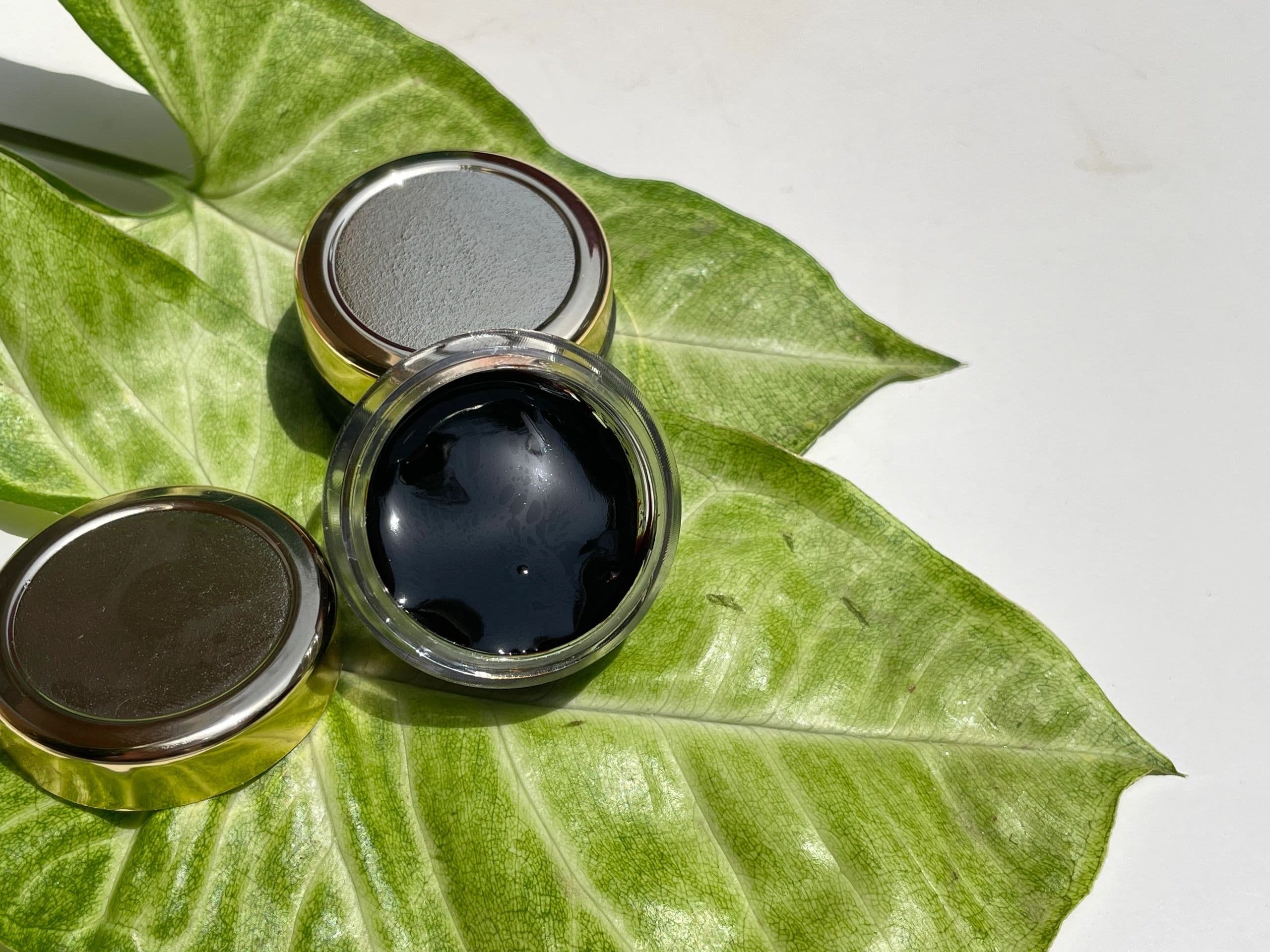
Shilajit gets called a "rasayana" a lot. It is in every marketing page — including ours. Most of the time the word gets tossed in the same sentence as "supplement," which does the concept a disservice.
If you understand what a rasayana was meant to be in Ayurveda, you understand what taking Shilajit is actually for. Otherwise you are going to keep getting confused by ads promising energy in a week and testosterone in a month.
The word itself
Rasayana is Sanskrit. Rasa can mean a lot of things in Ayurvedic literature — juice, essence, mercury, the first of the seven bodily tissues — but in this compound, it means essence. Ayana means path, vehicle, journey.
So rasayana translates roughly as "path of essence." The way Ayurveda used the word, it meant a substance that nourishes the body's core over time.
What it was meant to do
Ayurveda divides its whole system into eight branches, and one of them — Rasayana Tantra — is entirely about how to age well. Not to stop ageing. Not to reverse it. To age well. That is a smaller claim than most modern anti-ageing books make, and a more honest one.
Charaka and the physicians who followed him started from a simple observation. After a certain age, the body's ability to build and maintain its own tissue slows down. Muscle strength drops off, memory softens, recovery from illness takes longer, sleep gets shallower. What used to feel effortless starts to feel like something you have to protect.
A rasayana, in their framing, was a substance you took over months and years to slow that drift. Not a cure or a boost — a kind of daily reinforcement.
Where Shilajit sits among rasayanas
Shilajit is one of the oldest and most-cited entries on the list. Charaka's compendium places it near the top. Sushruta wrote about it. Every major Ayurvedic text after theirs — Ashtanga Hridayam, Bhava Prakasha — includes it, and treats it as a preparation meant for people past a certain age or a certain stage of life.
The reason it earned that placement isn't mysterious. Shilajit is stable, keeps well, mixes cleanly with warm water or milk, and can be taken daily for months without causing trouble. That combination is unusual among the plant preparations Ayurveda otherwise relies on — a decoction has to be made fresh, a powdered churna has a shelf life. Properly purified Shilajit keeps for years.
How they prescribed it
The classical prescription lines up with what we still recommend. A small daily portion — the pea-sized amount — dissolved in warm water or milk, taken in the morning on an empty stomach. You can start young if you want to build resilience, or later if you are trying to slow decline. Both approaches have long precedent.
Three months of continuous use was the minimum period Ayurveda expected before evaluating whether a rasayana was helping. Six months was more typical. This is a very different rhythm from how modern supplements are marketed — "take it for two weeks and feel amazing" — and it is the reason first-time buyers of Shilajit sometimes get impatient. The tradition is patient. So is the molecule. Most people find they have to become patient too.
Why the framing matters
If you take Shilajit like a supplement — meaning you expect a fast, felt effect that either happens or doesn't happen in the first month — you will either be disappointed, or you will conclude the resin doesn't work.
If you take it like a rasayana — meaning you commit to it as a daily background reinforcement, evaluated in seasons and years rather than weeks — you are using it the way three thousand years of Ayurveda intended it to be used. And you will notice, more in retrospect than in the moment, what steadiness feels like.
That is what we mean when we call Shilajit a rasayana. Something slower than a supplement. Something meant to be lived with.