
Resin, powder, or capsule — the honest difference
People often ask why we don't sell Shilajit in capsules. It's a fair question. The answer takes a minute.
What each form actually is
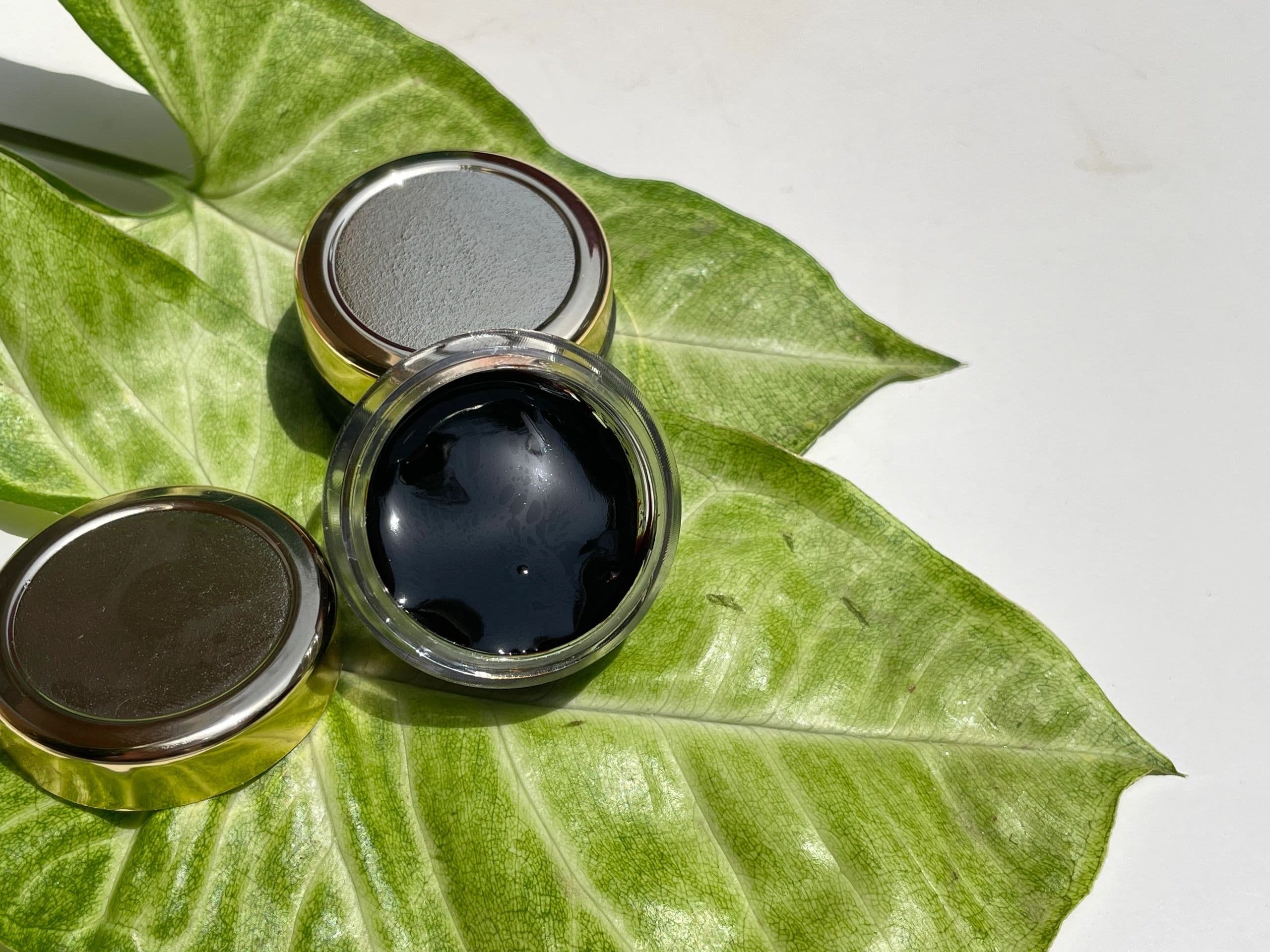
Resin is Shilajit as the mountain makes it. Thick, sticky, dark brown to black, glass-like when cool and taffy-soft when warmed between your fingers. What is in your jar is what came out of the rock, purified, tested, and packed.
Powder is that resin dried out and ground into a fine grit. Whatever water and volatile compounds were in the resin are mostly gone. What is left is compact, easier to store, and much easier to swallow.
Capsules are that powder packed into a gelatin or vegetarian shell. Sometimes just the powder. More often the powder plus a flow agent, a binder, an anti-caking agent, and whatever else the manufacturing line needed to move the material through a filling machine.
What actually changes between them
Two things.
One, concentration. Drying Shilajit into powder gets rid of water — fine. It also strips some of the small, volatile compounds that came along for the ride in the resin. The fulvic acid molecule itself is stable, but the total character of the raw material gets a little thinner every time you process it.
Two, fillers. A pure Shilajit powder is difficult to compress into a capsule cleanly, so manufacturers use excipients to make it work. Most of these fillers are pharmacy-grade and inert — that isn't the problem. The problem is that a 500 mg capsule often contains meaningfully less than 500 mg of actual Shilajit. You are buying less than the label suggests, and there is usually no way to tell how much less without asking.
The math nobody shows you
A 10 g jar of good resin gives you about thirty daily portions at the traditional pea-sized dose. That is a month.
A bottle of 60 capsules at 500 mg each looks like more product. Once you account for the drying loss and the filler percentage, you often end up with the same thirty portions of actual Shilajit — sometimes fewer.
The capsule bottle isn't cheating anyone. It's just packaging convenience at a real cost.
The convenience question
This part is real. Capsules travel well. No spoon, no glass of warm water, no dark residue on your finger. If you are on the road three weeks out of four, capsules make more sense than fighting a resin jar in a hotel bathroom.
For daily use at home, resin is what our family takes and what we sell. Not because the other forms are useless — because the whole point of taking Shilajit is the active fraction, and every processing step trims that fraction a little.
What we make and why
We make resin only. It is the form Ayurveda has used for three thousand years, and the form that a lab report describes without conversion math. The taste takes getting used to. Most people are over it by the end of the first week.
If enough of you ask
If we start getting enough requests, we will make a capsule too — but not the way the industry usually does it. We will put the resin itself into the capsule shell. No drying step, no fillers, no dilution. Same product you would spoon out of a jar, portioned into something you can swallow with a sip of water.
If that is something you want, tell us. It is on the table.