
What is fulvic acid — and why it matters in your Shilajit
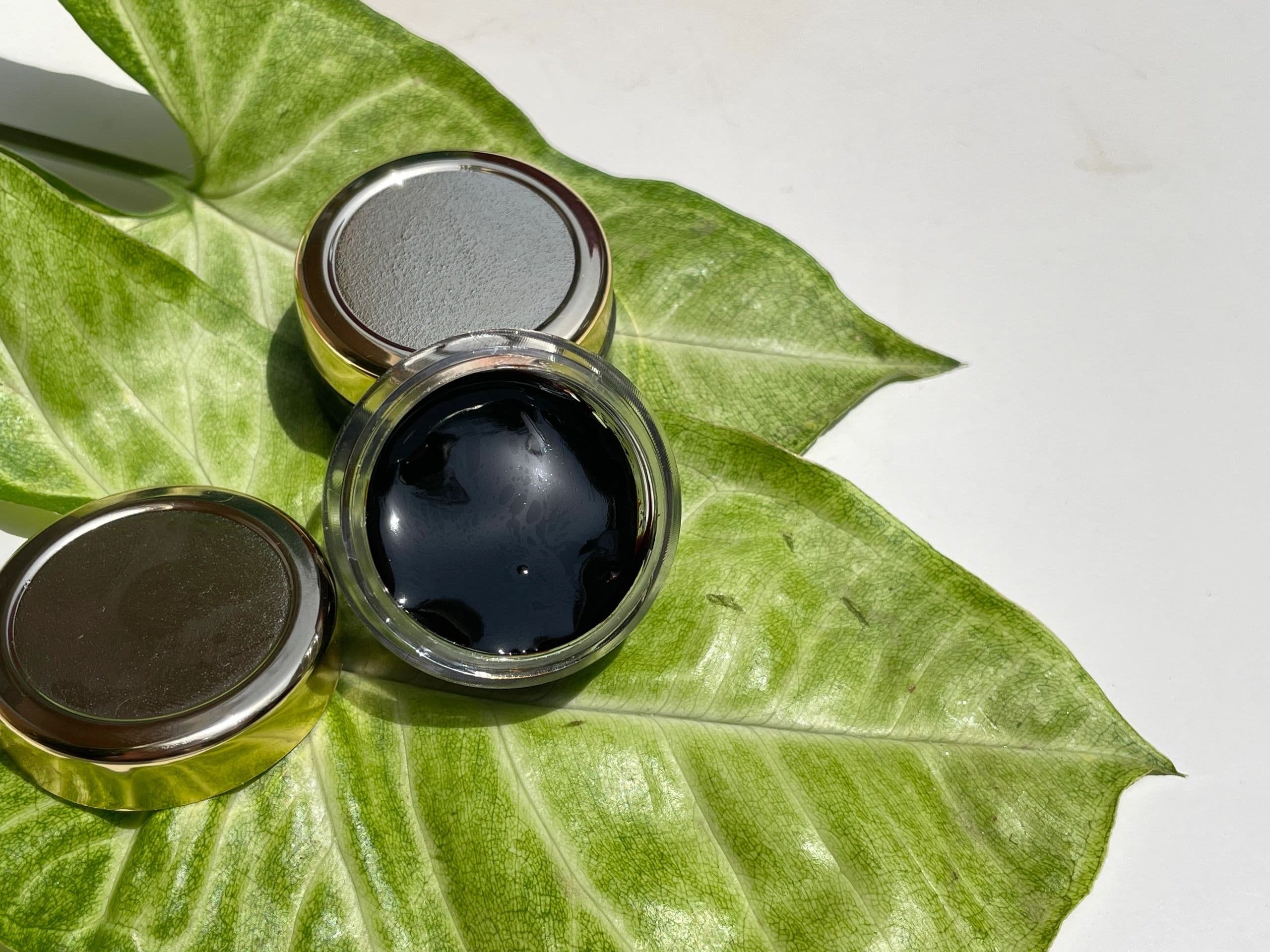
Most conversations about Shilajit dwell on minerals, on high-altitude romance, on ancient rasayanas. What almost never comes up is the actual molecule doing the work.
It is called fulvic acid — and once you understand what it is, everything else about Shilajit begins to make sense.
What it is
Fulvic acid is a small, water-soluble molecule that forms over centuries as plant matter breaks down inside soil and rock. Two things about it matter for the human body. First, it is small and soluble enough to slip easily into cells, which is why it carries minerals into the bloodstream so effectively — you get more out of what you eat. Second, it neutralises the everyday oxidative wear-and-tear that comes from stress, pollution, poor sleep and ordinary life — the kind of quiet damage that, left unchecked, contributes to fatigue, joint discomfort and premature ageing.
The Shilajit connection
Well-purified Shilajit resin is roughly 70 to 75% fulvic acid — that is the level our lab confirms on every batch we sell, and it is the number worth looking at whenever you compare Shilajit products. Everything Ayurveda has said about Shilajit for three thousand years — its reputation for slow, cumulative benefit, its place as a rasayana — ultimately traces back to this one molecule.
What research has found
Modern science has been quietly catching up with what tradition already knew, and the picture that has emerged is consistent.
In a small human trial, a fulvic acid cream applied twice a day for four weeks visibly calmed eczema when compared to a placebo cream — evidence, in a form you can see on the skin, that fulvic acid can dial down inflammation in a living person.
In neurology, researchers watching fulvic acid have found it interferes with the tangled protein clumps that build up inside the brain in Alzheimer's disease. Early work, but striking enough that scientists have begun looking at it seriously.
And across the safety literature, fulvic acid has proven remarkably well tolerated, even at daily doses many times larger than the pea-sized portion Ayurveda has always recommended.
What this means for you
When you take a pea-sized portion of good Shilajit in warm water each morning, you are giving your body a small, steady dose of a molecule that scientists have watched — in study after study — do something real. That is the reason we treat fulvic acid content as the honest measure of a jar of Shilajit. Not colour. Not smell. Not story.
Every batch of Ladakh Naturals Shilajit is independently lab-tested for fulvic acid above 70%, for heavy metals within safe limits, and for microbial safety. Take 250 to 300 mg — about the size of a small pea — once a day, dissolved in warm water or milk. Give it a month. That is the way tradition prescribed it, and it happens to be the way modern safety data supports too.
References
- •Winkler J, Ghosh S. Therapeutic Potential of Fulvic Acid in Chronic Inflammatory Diseases and Diabetes. Journal of Diabetes Research, 2018.
- •Gandy JJ, Snyman JR, van Rensburg CEJ. A randomised, double-blind trial of fulvic acid cream in eczema. Clinical, Cosmetic and Investigational Dermatology, 2011.
- •Cornejo A et al. Fulvic Acid Inhibits Aggregation and Promotes Disassembly of Tau Fibrils Associated with Alzheimer's Disease. Journal of Alzheimer's Disease, 2011.
- •van Rensburg CEJ. The Antiinflammatory Properties of Humic Substances: A Mini Review. Phytotherapy Research, 2015.