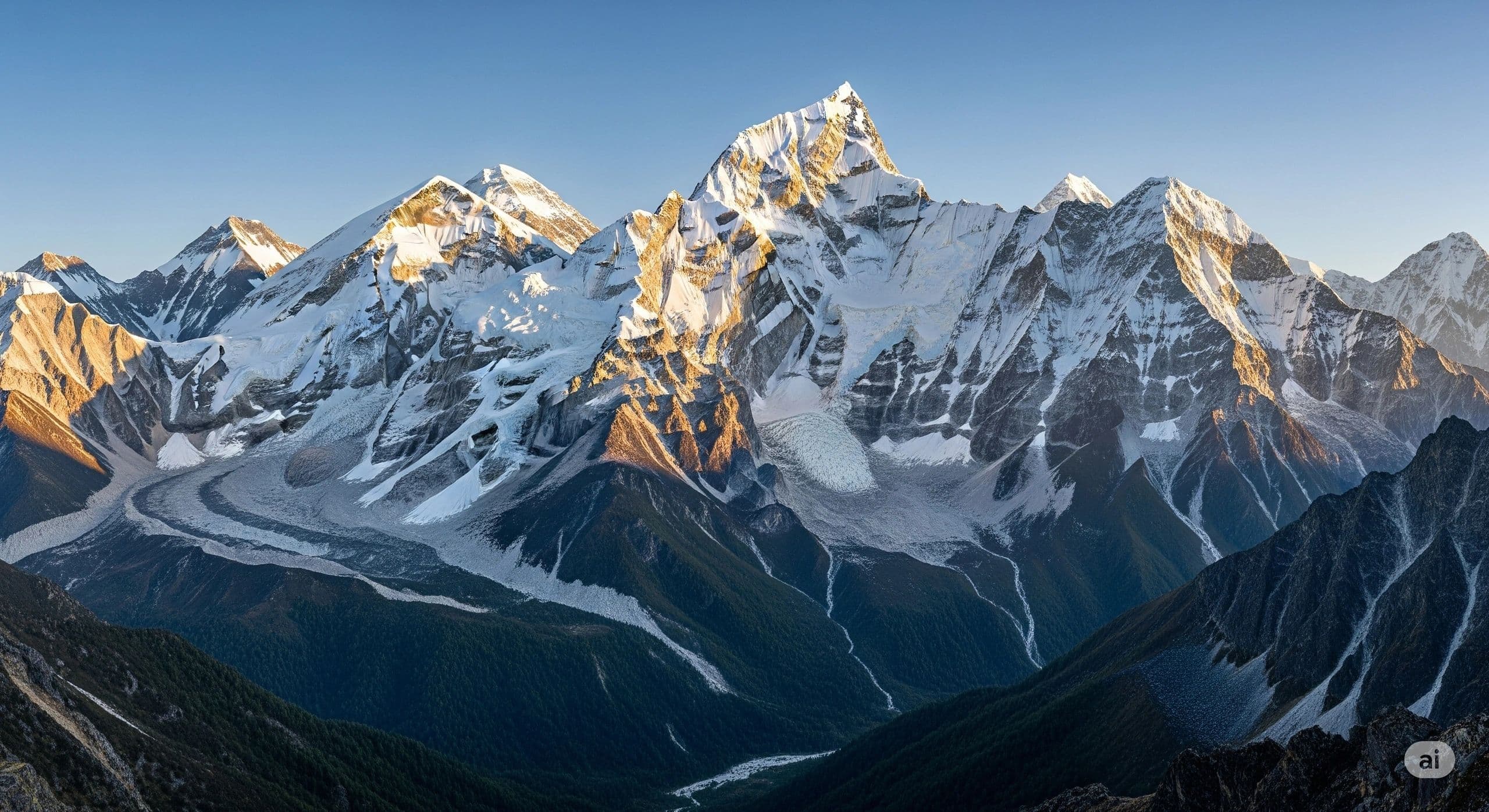
Shilajit beyond Ayurveda — the Tibetan and Central Asian traditions
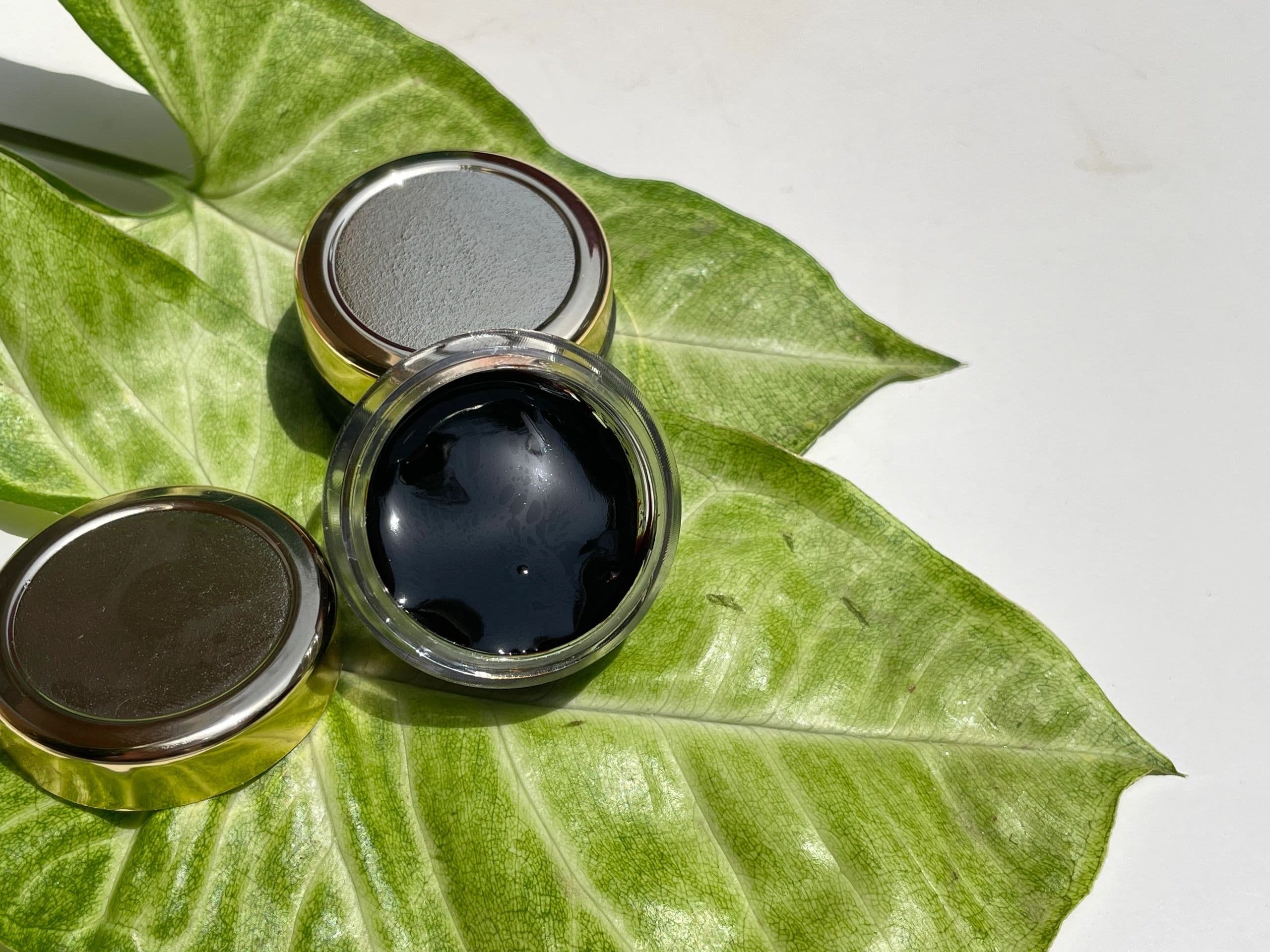
When I say Shilajit is Ayurvedic, that is true, but it is not the whole picture. The substance we call Shilajit has been used across a much wider belt than just India — from the Himalayas east through Tibet, north across the passes into Kazakhstan and Kyrgyzstan, and all the way to the Altai mountains of southern Siberia and Mongolia. Every tradition that had access to it developed its own way of collecting it, purifying it, and prescribing it.
Some of those ways still exist. This journal is about the two that matter most.
Tibet — brag-shun
In Tibetan medicine — which shares deep roots with Ayurveda but developed its own identity over the last thousand years — Shilajit is called brag-shun or brag-zhun. The word translates roughly as "rock juice" or "rock exudate." Descriptive rather than mystical. It names what the substance actually is: something that seeps out of rock.
Tibetan medicine treats brag-shun as one of its most valuable substances, especially for age-related decline and for what the tradition calls chronic tissue-level disorders. It categorises brag-shun differently from how Ayurveda categorises Shilajit — the theoretical frameworks are related but not identical — but the prescription is remarkably close. A small daily portion, taken in warm water or milk, over months, meant for the second half of adult life.
My Ladakhi harvesters, who culturally sit between the Tibetan and Indian worlds, use brag-shun and Shilajit as interchangeable words. To them, the substance is the same substance. Everything else is naming.
The Altai and Central Asia — Mumijo
North of the Himalayas, across the Tibetan plateau and up into the Altai range of southern Siberia, Shilajit shows up under an entirely different name: Mumijo (sometimes spelled Mumie or Mumiyo). This is the Central Asian tradition — Russian, Kazakh, Uzbek, Kyrgyz.
Mumijo has its own long history in these regions, going back well before modern medicine. What makes the Central Asian story distinctive is that the Soviet Union, in the 1950s and 1960s, took Mumijo seriously enough to study it in state-run research institutes. Soviet physicians ran what were effectively clinical observations on Mumijo for bone-fracture healing, wound healing, and fatigue in industrial workers. The results were published in Russian-language journals that most of the West has never read.
The Soviet work was not rigorous by modern trial standards, but it was not folk hearsay either. Several studies reported faster bone-fracture healing in patients given Mumijo compared with those who were not. Others documented reduced fatigue in workers on long factory shifts. Whatever the quality, the state took the results seriously enough that Mumijo entered the standard pharmacopoeia of some Soviet republics as a hospital-grade preparation.
That legacy still shows up. Walk into a pharmacy in Almaty or Tashkent today and Mumijo will be on the shelf as a recognised remedy — not a fringe supplement.
What all these traditions agreed on
Across Ayurveda in India, Tibetan medicine in the Himalayan plateau, and the Mumijo tradition of Central Asia and Russia — a few claims are remarkably consistent.
It comes from rocks at high altitude. It has to be purified before it is taken. The daily portion is small — pea-sized — dissolved in warm water or warm milk. It works over months, not days. And it is a substance meant for the second half of adult life, not for children.
These are not traditions borrowing from each other. They developed in mountain regions separated by geography and language, over centuries. The overlap tells you something about the substance itself — the actual physical resin — being consistent enough that four different cultures figured out the same way to work with it.
What they differed on
Ayurveda categorised Shilajit within its dosha framework — the vata, pitta, kapha system — and prescribed it with different anupanas for different constitutional types. Tibetan medicine framed brag-shun in its own theoretical language, emphasising the removal of accumulated tissue-level disturbance. The Mumijo tradition was the most empirical of the three — this healed fractures, this reduced tiredness, this helped digestion, less theory and more direct clinical observation.
The differences aren't contradictions. They are four different maps of the same territory. Each tradition emphasised whatever fit its own framework, but the substance being described, and the way it was used, was the same one.
What we take from this at Ladakh Naturals
Two things.
One, the tradition we actually work from isn't only Ayurvedic. Our harvesters are Ladakhi. Their vocabulary includes both Shilajit and brag-shun. Their instincts about what a good jar looks like come from a lineage that overlaps both worlds. When we describe the resin as a rasayana on the packaging, that is a linguistic choice made for an Indian audience. The substance itself is bigger than any one word.
Two, the fact that multiple medical traditions independently arrived at the same basic protocol — small pea-sized daily portion, warm carrier, taken over months, for adults — is more information than any single tradition alone. If four different medical systems, working separately across centuries, came to the same answer, that answer is probably close to right.