
Water, milk, or ghee — what to take Shilajit with
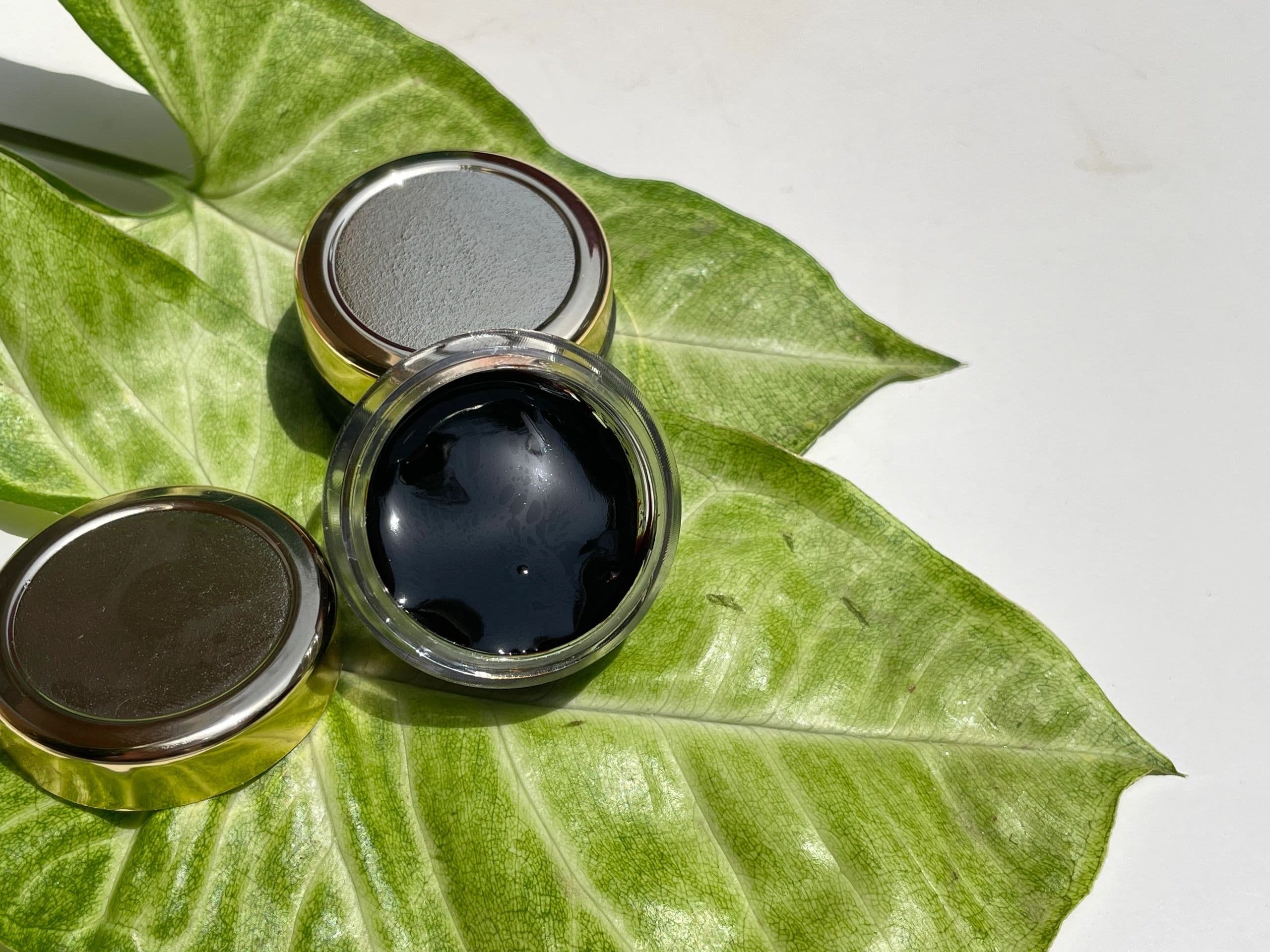
Ayurveda has a word for the thing you take a medicine with: anupana. Literally, it means "that which follows." The idea is that whatever you swallow a substance in changes how the body absorbs and uses it. A herb in water goes to one place. The same herb in milk lands slightly differently. The same herb in ghee goes deeper still.
Modern nutrition science is only slowly starting to take the idea seriously. Ayurveda has been operating on it for a very long time. For Shilajit specifically, the classical anupana choices are three — warm milk, warm water, or a small amount of ghee. Each has a case for it. Here is what our family, and the classical texts, actually say about each.
Warm milk
The classical Ayurvedic pairing for a rasayana, and what we actually recommend to most first-time buyers.
Milk in Ayurveda is described as snigdha (unctuous), madhura (sweet), and sheeta (cooling in effect despite being warm at temperature) — a set of qualities that were considered ideal for anything meant to nourish. When Charaka wrote about Shilajit, he wrote about it in warm milk more often than in water. My uncle takes his Shilajit in warm milk. Most people over fifty in India I know do the same.
The practical case for milk: it masks the bitterness much better than water, sits more solidly in the stomach through the morning, and makes the whole experience less abrupt. If you eat dairy at all, this is probably where you should start.
Warm milk means warmed to the point where it's comfortable to sip — not boiled, not scalding. Boiling milk changes its qualities in ways Ayurveda considered undesirable. I don't have a strong opinion about the chemistry, but I don't boil my milk either.
Take a small glass of warm milk, add a pea-sized portion of resin, stir until it dissolves, drink.
Warm water
If you don't take dairy — vegan, lactose intolerant, or just don't want to bother heating milk in the morning — warm water is a perfectly good alternative.
Water is neutral. It doesn't add heat, doesn't slow digestion, doesn't compete with the resin for absorption. It moves quickly, so the Shilajit reaches your stomach and beyond without a lot of transit time. In Ladakh, where the water at the source and at the table has always been cold, a warm cup was the practical way to dissolve resin without hardening it.
Take a small glass of warm water, add a pea-sized portion of resin, stir for twenty or thirty seconds until it dissolves, drink. That is the whole ritual.
A small amount of ghee
The traditional option few people know about, and fewer still use in daily practice. It is not for everyone.
The classical texts describe Shilajit taken in warm ghee for particular situations — during recovery from illness, in certain constitutional types, for specific therapeutic purposes. Whether that maps onto modern outcomes is not something I can prove one way or the other. But it's a documented traditional approach worth knowing about.
If you want to try it: dissolve the pea-sized portion in a teaspoon of warm ghee, take it on an empty stomach, follow with a sip of warm water. It is not a daily thing. Some people do it during a particular season or after an illness. Many people never do it at all. Both are fine.
What not to take Shilajit with
A few pairings either don't work or work against you.
Cold anything. Cold water, cold milk, room-temperature juice. Cold thickens the resin instead of dissolving it, and you end up with a lump on the roof of your mouth.
Anything citrus. Orange juice, lemon water, tamarind — the acid brings out the metallic notes in the resin and makes the taste much worse. It may also affect how the fulvic acid molecule behaves, though this is unclear.
Tea and coffee. Not because they will harm you, but because both contain compounds — tannins in tea, chlorogenic acid in coffee — that bind minerals and reduce their absorption. Since one of the things Shilajit is doing is helping you absorb minerals, taking it with tea or coffee is working against yourself. Space the two out by at least an hour.
Alcohol. Obvious, but worth naming. Alcohol and Shilajit at the same time is not what Ayurveda designed either substance for.
What we actually recommend
For most people, most days: warm milk, first thing in the morning, on an empty stomach. This is the classical Ayurvedic default and it is what we suggest first.
For anyone who doesn't take dairy, or wants a simpler morning routine: warm water. Same portion, same timing.
Warm ghee shows up in the classical texts for particular situations, and it is worth knowing about. Most people don't need it.
The pattern to aim for, over the long run, is boring. Same anupana, same time, same portion, most mornings, for months. Consistency is what does it — clever protocols don't help you much.