
What Charaka actually said about Shilajit
Every marketing page for Shilajit will tell you that "the ancient sages" praised it as a rasayana. What almost none of them do is show you what the sages actually said. Because the sages were remarkably specific, and the specifics are worth reading.
The oldest surviving detailed reference to Shilajit is in the Charaka Samhita — one of the three foundational texts of Ayurveda, compiled in roughly the form we have it around two thousand years ago, though the tradition it captured is much older. This journal is about what Charaka actually wrote, and how much of it still holds up.
Where Shilajit appears in Charaka
The Charaka Samhita is organised into eight sections. Shilajit appears in the Chikitsa Sthana — the section on treatment — inside the chapter on rasayanas. This is the chapter that describes substances meant for the second half of adult life, to slow tissue decline and preserve resilience.
Charaka gave Shilajit an unusual amount of attention within that chapter. There are multiple verses on how to identify pure Shilajit, how to distinguish four different grades by source rock, how to purify it, how to dose it, and what to take it with. This is the level of detail Charaka reserved for substances he considered exceptionally important.
The four grades
Charaka classified Shilajit into four types by the metal-associated colour of its source rock. In classical Sanskrit, they are Suvarna (gold), Rajata (silver), Tamra (copper), and Lauha (iron).
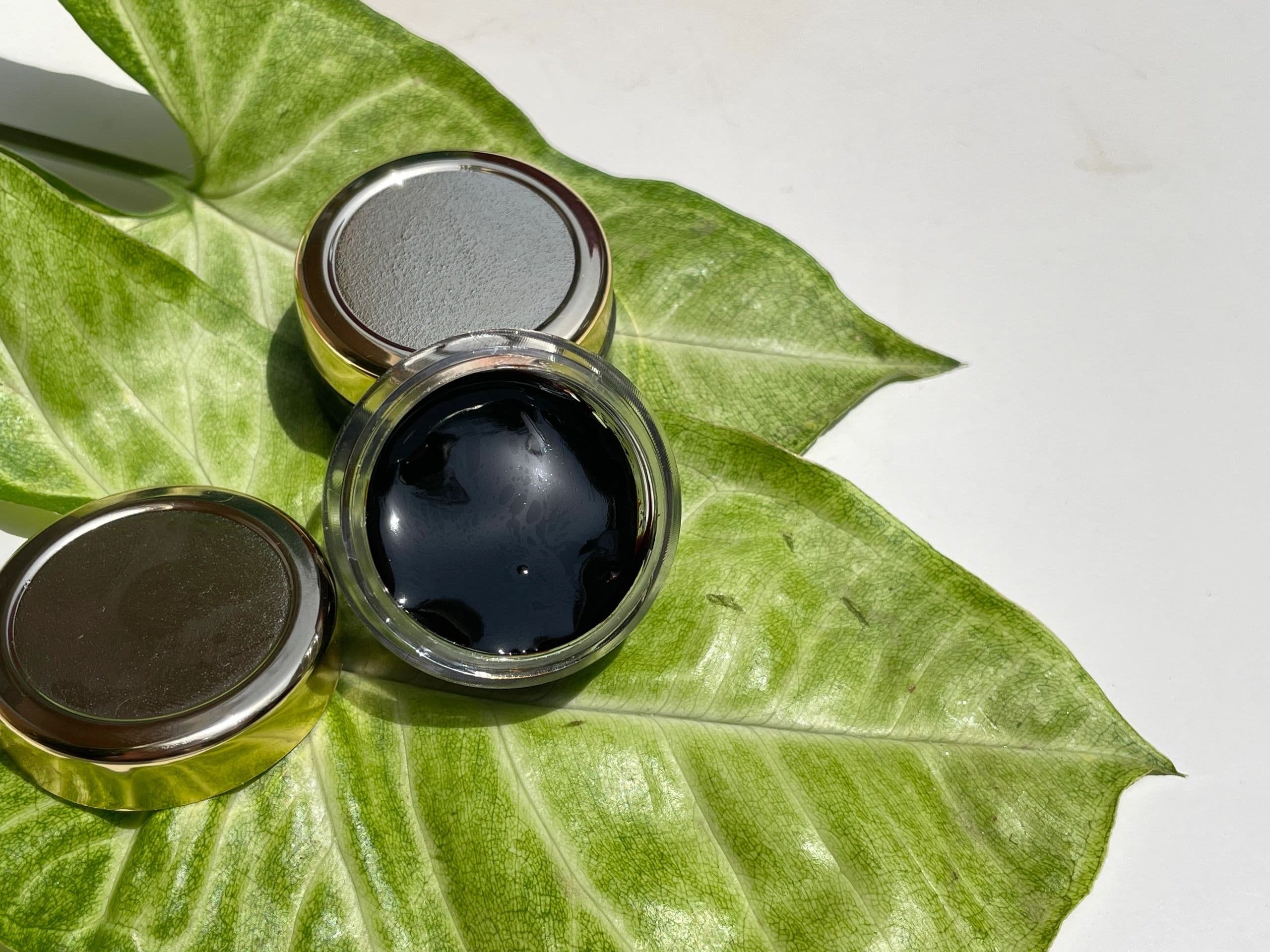
Suvarna, associated with gold-bearing rock, was the highest grade — reserved for rasayana use and considered the most nourishing. Lauha, associated with iron-bearing rock, was described as useful for specific conditions but less refined for daily use. In modern harvesting terms, Suvarna corresponds roughly to what we would today identify as the darkest, glossiest, most resinous chunks — the material we now source at high altitude in Ladakh and set aside for jarring.
We work only with the Suvarna grade. That is a Charaka-era distinction we have kept.
What Charaka said Shilajit does
I want to be careful here. Charaka's list of therapeutic indications for Shilajit is long — over a dozen conditions across the classical text. The tradition attributes to Shilajit a role in prameha (which maps roughly to urinary and metabolic disorders including what we now call diabetes), pandu (anaemia and blood conditions), shwasa (respiratory conditions), sthaulya (obesity), jara (age-related decline), and general rasayana use for vitality.
Charaka did not promise miracles, which is worth emphasising. His descriptions were measured. Shilajit was described as tridoshaghna — capable of balancing all three doshas, which is a modest claim by Ayurvedic standards, meaning it doesn't aggravate any one of them. Its taste was noted as bitter, pungent, and slightly salty. Its virya, or potency, was described as heating. Its post-digestive effect, katu, as pungent.
That is the sort of clinical description a careful physician makes about a substance he wants to prescribe accurately — not the sort of language a marketer uses to sell one.
How Charaka told you to take it
The dose Charaka recommended, translated into modern units, was small. Somewhere between one and four grams a day of purified resin, depending on the specific case and the person's constitution. For rasayana use — the general vitality application, taken daily over months — the dose sat on the lower end, closer to a pea-sized portion.
The anupana Charaka most often specified was milk. Warm milk, sometimes with clarified butter or with specific herbal decoctions depending on the therapeutic goal. For plain rasayana use, warm milk on its own was the standard vehicle.
The duration was measured in months, not days. Three months was the minimum period Ayurveda expected before evaluating whether a rasayana was helping. Six months was more typical.
Everything I have written in earlier journals about how to take Shilajit — the pea-sized daily portion, warm milk in the morning, several months of consistent use — is not something modern Ayurvedic practitioners invented recently. It is what Charaka wrote down two thousand years ago, and what tradition has carried forward more or less intact.
What still holds up
Reading Charaka on Shilajit today, in the light of what modern chemistry and modern trials have added, an unusual thing happens. Almost everything he said still stands.
The distinction between Suvarna and lesser grades corresponds closely to what modern purification and third-party lab testing now formally verify. Charaka's prescribed dose sits comfortably within what modern human safety trials have shown to be tolerable. The choice of milk as the anupana lines up with the practical experience of most modern users. The timescale — months, not days — matches what we now understand about how the underlying active molecule, fulvic acid, actually works in the body.
The specific therapeutic indications require more care to interpret. Some map cleanly onto modern conditions. Others require translating between the Ayurvedic framework and a modern one, which is real work and not always straightforward. But the framework itself — that this is a substance for the second half of adult life, taken daily, over months, in small amounts, in warm milk — has proven remarkably durable.
That is why, at Ladakh Naturals, we write about Charaka the way we do. Not as a mystical reference to add authority to marketing copy. As a careful physician whose specific instructions still make sense two thousand years later, and whose care in describing what Shilajit does not do is a model for anyone selling it today.